
Life in a Kashmir village revolves around agriculture, pastoral traditions, and resilient community bonds. Daily rhythms blend farming with cultural practices deeply rooted in the region's stunning Himalayan landscape. Traditions emphasize hospitality, oral storytelling, and seasonal festivals that sustain social cohesion.
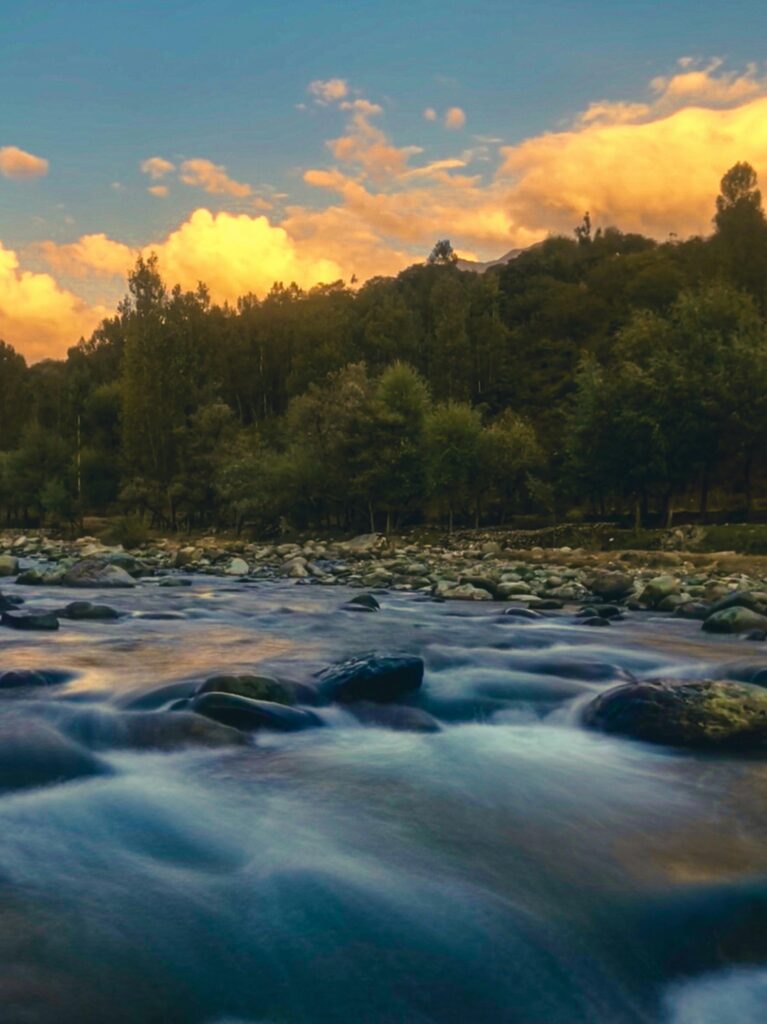

Agriculture forms the backbone of village economies, with most families cultivating terraced fields suited to local crops. Rice dominates as the staple, planted in spring and harvested by autumn, alongside corn, wheat, barley, pulses, and cash crops like apples, walnuts, and saffron. In places like Bugam in Budgam district, vegetable farming—both organic and inorganic—has surged, generating crores in revenue and employing hundreds through family labor and polyhouse technology. Farmers increasingly bypass middlemen, selling directly in Srinagar markets or beyond Jammu, boosting incomes and reducing poverty risks from climate challenges.
Livestock rearing complements farming, with shepherds known as Chopans herding sheep for wool, milk, and meat while enriching soil fertility through manure. This reciprocal system ties herders to peasants via barter, supporting a mixed subsistence economy on unirrigated slopes. Women play vital roles, gathering firewood, tending gardens, and crafting pashmina shawls or wood carvings, though conflict and harsh winters strain these efforts.
Daily Village Life
Villages feature nucleated hamlets where families rise early for chores amid deodar forests and flowing rivers. Mornings involve milking cows, preparing rice-based meals like kahwa tea with saffron, and irrigating fields using traditional channels or modern subsidies. Labor-intensive days end with communal gatherings, where elders share folklore under chinar trees, fostering unity despite seasonal migrations to higher pastures.
Children help in fields post-school, learning self-reliance, while markets in towns like Udhampur serve as hubs for bartering produce. Government initiatives, such as the Jammu & Kashmir Rural Livelihoods Mission, promote sustainable practices like organic clusters and women-led farmer groups, combating unemployment.
Cultural Traditions
In the serene valleys and snow-capped meadows of Kashmiri villages, time-honored traditions seamlessly weave Islamic influences with pre-Islamic ancient customs, creating a rich cultural tapestry that has endured centuries of change. This fusion shines brightest during weddings, where women in the community gather to stitch vibrant attire by hand, using locally sourced wool and vibrant natural dyes derived from saffron, walnut hulls, and indigo. Brides don flowing pherans—loose, ankle-length tunics—in earthy tones of deep maroon, ochre, and forest green, often embroidered with intricate silver threads that catch the sunlight, symbolizing fertility and prosperity. Accompanying these celebrations are soul-stirring Sufi music sessions, where Rishi Sufi singers, accompanied by the rhythmic rubab lute and sarangi fiddle, perform devotional qawwalis under starlit skies, evoking spiritual ecstasy and communal harmony.Festivals punctuate the agricultural calendar with rituals that honor both faith and nature. Navreh, the Kashmiri New Year celebrated on the first day of the Chaitra month around March or April, begins at dawn with families preparing thali platters adorned with rice-flour sweets like roth, symbolizing sweetness in the coming year, alongside walnuts, curd, and ink for new beginnings. Prayers at local shrines blend Hindu roots with Islamic piety, followed by feasts that strengthen family bonds. Weddings, lasting several days, erupt in joyous group dances such as the rouf, performed by women in synchronized formations with clapping and swaying, while men join in the energetic kud. Lavish feasts of wazwan—up to 36 courses including gushtaba meatballs, rogan josh lamb curry, and tabah maaz—symbolize abundance and the earth's bounty, shared on expansive dastarkhwans laid on the floor.Oral epics, recited by master storytellers known as Chopans during long evenings by the kangri firepots, preserve the village's history and folklore. These narratives link the nomadic lore of shepherds herding sturdy Bakerwal goats across high alpine pastures to the agrarian cycles of paddy fields in the Karewas, recounting tales of mythical kings, resilient herders, and seasonal migrations that mirror the rhythm of monsoons and harvests.Hospitality reigns supreme as a sacred duty, encapsulated in the proverb "Mehman nawaz, Allah ka noor," where guests—be they strangers or kin—are received with unparalleled warmth. They are treated to opulent wazwan multicourse meals, served with ritual precision by tramis (cooks), reinforcing social ties and the Islamic ethic of generosity amid the region's geopolitical tensions.Handicrafts form the economic backbone, providing supplementary income for families. Artisans craft gleaming copperware samovars for noon chai, while master weavers produce exquisite kani shawls on wooden looms, featuring motifs of blooming lotuses for purity and flowing paisleys evoking cypress trees for eternity. Women, often working in cooperative groups, uphold these patterns despite market fluctuations and global competition, passing skills through generations.Winter's harsh embrace transforms isolation into cultural revival. As heavy snowfall blankets villages like those in Pahalgam or Gulmarg, communities huddle in wooden homes around bukhari stoves, sharing ghost stories, reciting poetry from Lal Ded's mystical verses, and weaving pashmina threads late into the night. This season fosters introspection, skill-sharing, and a profound sense of resilience, ensuring traditions thrive against all odds.

In Kashmir's villages, agriculture, pastoralism, and handicrafts sustain lives amid Himalayan majesty, while festivals, Sufi melodies, and wazwan feasts bind hearts in joyous harmony. Hospitality glows as a beacon, turning strangers into family, and oral epics echo ancestral wisdom through winter's hush. Women and Chopans embody unyielding spirit, adapting to conflict, climate, and change via government aid and innovation. This timeless tapestry of toil, tradition, and tenacity not only endures but flourishes, a testament to Kashmir's soul—resilient, radiant, and eternally rooted in its verdant valleys.