
Srinagar's traditional Kashmiri markets transform the city into a shopper's paradise, where narrow lanes brim with centuries-old craftsmanship and vibrant bazaars invite endless exploration. Nestled against the backdrop of snow-capped Zabarwan mountains, these markets offer authentic treasures like Pashmina shawls, handwoven carpets, and saffron, blending cultural heritage with the thrill of bargaining. Amid the Jhelum River's gentle flow and houseboat silhouettes, they evoke a timeless allure, drawing travelers into a sensory whirlwind of colors, scents, and sounds that define Kashmiri soul.
Why Eco-Tourism Matters in Kashmir
Iconic Markets and Their Charms
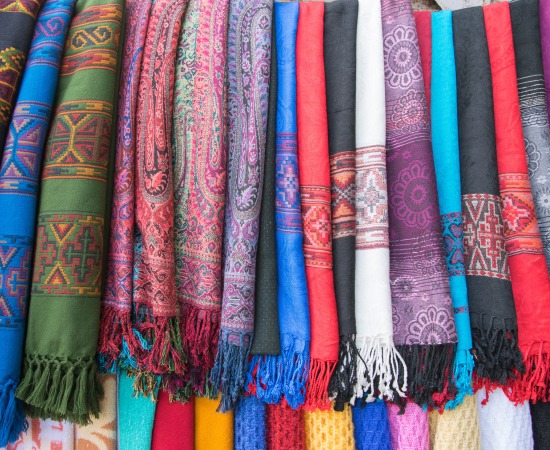
Lal Chowk stands as the pulsating heart of Srinagar's shopping scene, a bustling square-turned-bazaar since the 1940s that draws locals and tourists alike. Here, shops spill onto sidewalks with exquisite Kashmiri shawls woven from fine Pashmina wool, intricate papier-mâché boxes painted in vivid floral motifs, and copperware hammered into ornate samovars for brewing aromatic Kahwa tea. The air hums with vendors calling out deals on Dongri stone-studded jewelry, while street-side stalls tempt with fistfuls of crimson saffron threads—Kashmir's liquid gold, harvested from crocus fields in Pampore. Timings stretch from 10 AM to 8 PM, but evenings glow with lantern light, amplifying the sensory feast of spices and incense. Nearby, roadside phiran stalls showcase embroidered overcoats, perfect for chilly Himalayan evenings.
Venture into the Old City, and Zaina Kadal Market unfolds as one of Srinagar's oldest arteries, straddling the Jhelum River via its wooden bridge. Dating back over 400 years, this labyrinth specializes in silverware etched with Persian motifs and copper pots polished to a mirror sheen, perfect for traditional Wazwan feasts. Shoppers haggle over bundles of aromatic spices—saffron, fennel, and Kashmiri chili—piled high beside handcrafted walnut wood trays carved with lattice patterns inspired by Mughal gardens. Local women in flowing phirans weave through crowds, picking up embroidered crewel work for home decor, while the market's bakery corners waft freshly baked Girda bread, its sesame-studded crust ideal for pairing with noon chai. The bridge itself, creaking under footfall, offers views of Shikaras laden with produce, merging market bustle with riverside poetry.
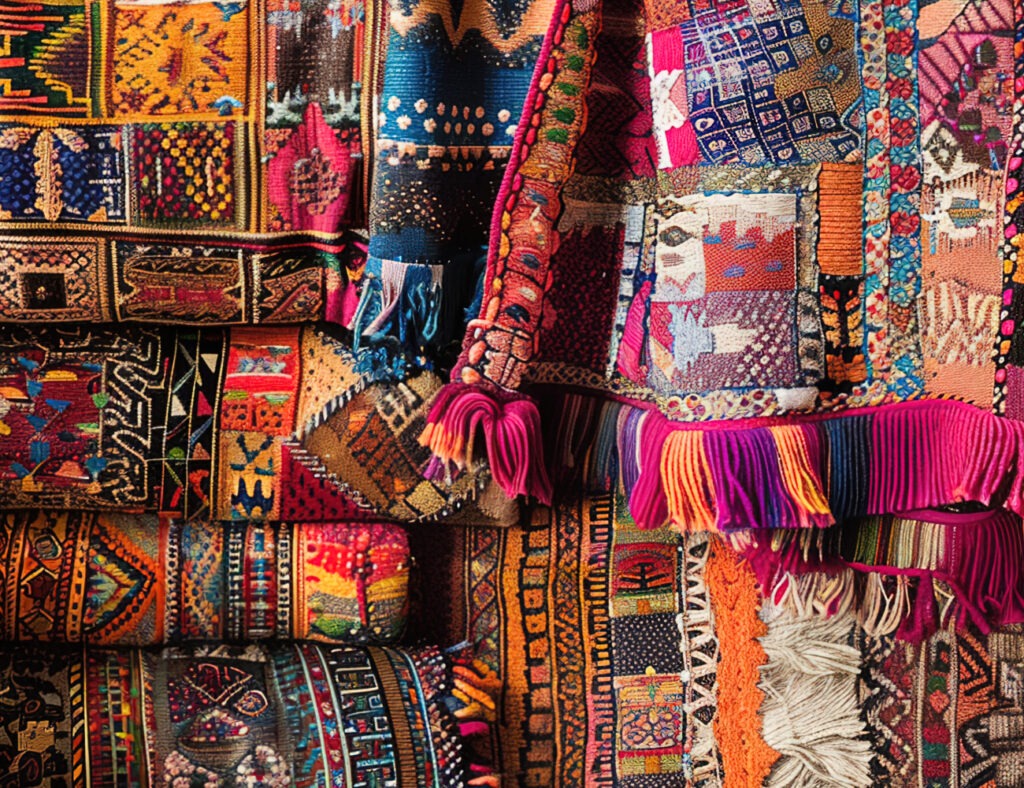
Nearby, Polo View Market and Residency Road offer a slightly more polished vibe, yet retain raw Kashmiri essence with shops brimming with hand-knotted carpets. These silk-wool blends, featuring paisley or floral designs passed down through generations of weavers in Kanihama villages, can take months to complete. Badshah Chowk buzzes with leather goods and rugs, its stalls framed by arched wooden facades reminiscent of Timurid architecture. Khanqah Market, near the historic Shah Hamadan shrine, specializes in religious artifacts alongside walnut wood carvings—intricate screens and furniture that whisper tales of Kashmiri walnut groves. Maharaj Gunj, the wholesale hub in the Old City, overflows with dry fruits like almonds and walnuts, plus heaps of local honey, drawing savvy buyers at dawn for the best prices. Boulvard Market along Dal Lake edges buzzes with tourist-friendly stalls selling applewood curios and embroidered bedspreads.
The Floating Market on Dal Lake adds a surreal twist, where shikara boats dock alongside vendors paddling wares straight to your lap. Glide past houseboats as sellers unfurl Pashmina shawls, embroidered textiles, and small-batch saffron, all while the lake mirrors lotus blooms. This waterborne bazaar captures Srinagar's unique rhythm, blending commerce with the hypnotic lap of waves, especially magical at dawn when mist clings to the water.
Must-Buy Treasures and Shopping Savvy
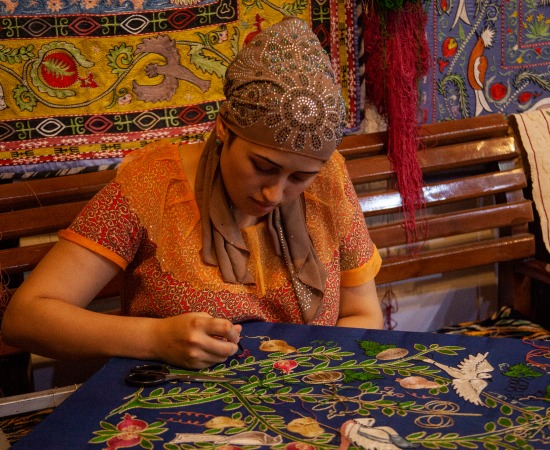
No visit escapes without Pashmina shawls, the crown jewel of Kashmiri craft, spun from Changthangi goat underwool so fine it passes through a ring. Authentic ones bear government GI tags, warding off fakes flooding tourist traps—burn a fiber to test; real Pashmina smolders without odor. Carpets follow suit, with their hypnotic knot counts (up to 1,000 per square inch) and nomadic motifs from Bakerwal tribes, best sourced from fixed looms in Polo View for quality assurance. Crewel embroidery on cushions and curtains bursts with vine motifs, hand-stitched by artisans in rural workshops.
Papier-mâché dazzles in vibrant reds and golds, lacquered boxes depicting paradise gardens that echo Persian miniatures. Walnut wood items—pooshkaris (treasure boxes) and chess sets—showcase the burled grain unique to Kashmir Valley orchards. Spices and dry fruits shine too: Kashmiri saffron imparts ethereal flavor to Dum Aloo, while figs, pistachios, and black raisins pack antioxidant punches from high-altitude farms. Don't miss Kashmiri earthware pottery or Moradabad-style brass lamps for authentic flair.
Bargaining is the unspoken art—start at half the quoted price, smile, and share chai to seal deals. Mornings yield quieter lanes and fresher stock; avoid peak weekends. Support cooperatives like the Kashmir Handicrafts Emporium for ethical buys, where artisans earn fair cuts. Pack light, as these heirlooms weigh down suitcases with stories. In 2026, sustainable initiatives promote eco-friendly dyes and women-led collectives, ensuring crafts endure. Srinagar's markets aren't mere shops; they're living museums where history unfolds amid haggling echoes. Amid tourism resurgence, they thrive as sustainable hubs, preserving crafts against modernization. Lose yourself in their maze, and carry home pieces of paradise that outlast memories.