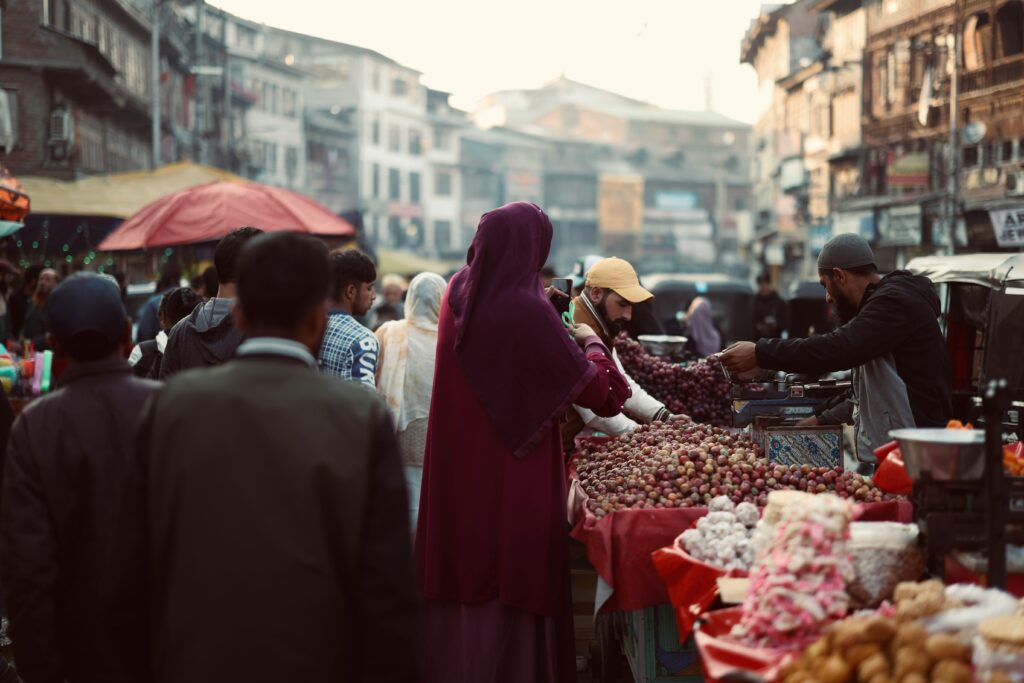
Kashmir, the crown jewel of India, enchants with its snow-capped peaks, lush valleys, and serene lakes. Yet beyond its natural splendor lies a profound spiritual legacy: Sufism, the mystical heart of Islam that has woven itself into the valley's cultural fabric for centuries. Sufism arrived in Kashmir in the 14th century, carried by wandering saints who preached love, tolerance, and unity. These mystics, known as Rishis or Pir Babas, bridged Hinduism and Islam, fostering Kashmiriyat—the valley's unique ethos of communal harmony. At the center of this heritage stand the dargahs, shrines that pulse with devotion, music, and timeless rituals. Exploring these sacred spaces offers not just a journey through history but a soul-stirring encounter with divine ecstasy.Sufism in Kashmir blossomed amid political turmoil. In 1389, the saint Bulbul Shah converted the Hindu ruler Suhadeva to Islam, marking the faith's gentle entry without swords. Later, waves of Sufi missionaries from Central Asia and Persia deepened this influence. Unlike rigid orthodoxy, Kashmiri Sufism emphasized ishq (divine love), poetry, and music. Saints like Lal Ded, a 14th-century poetess who roamed naked chanting verses, and Sheikh Noor-ud-din Noorani (Nund Rishi), composed soulful poetry that resonate today. Their dargahs aren't mere tombs; they're living portals where devotees seek barakah (blessings), healing, and transcendence.
Iconic Dargahs: Gateways to the Divine
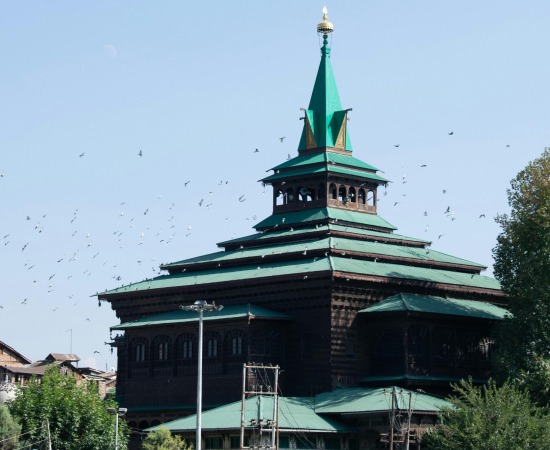
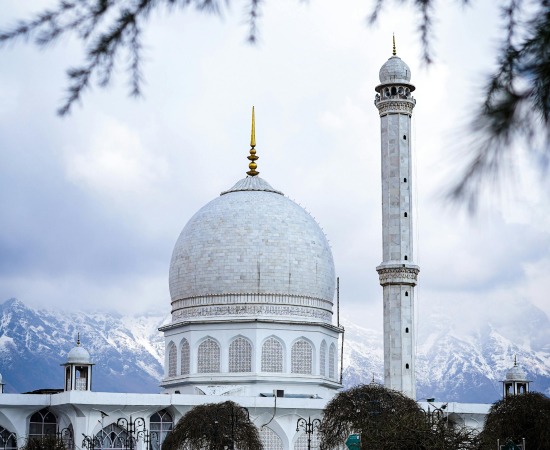
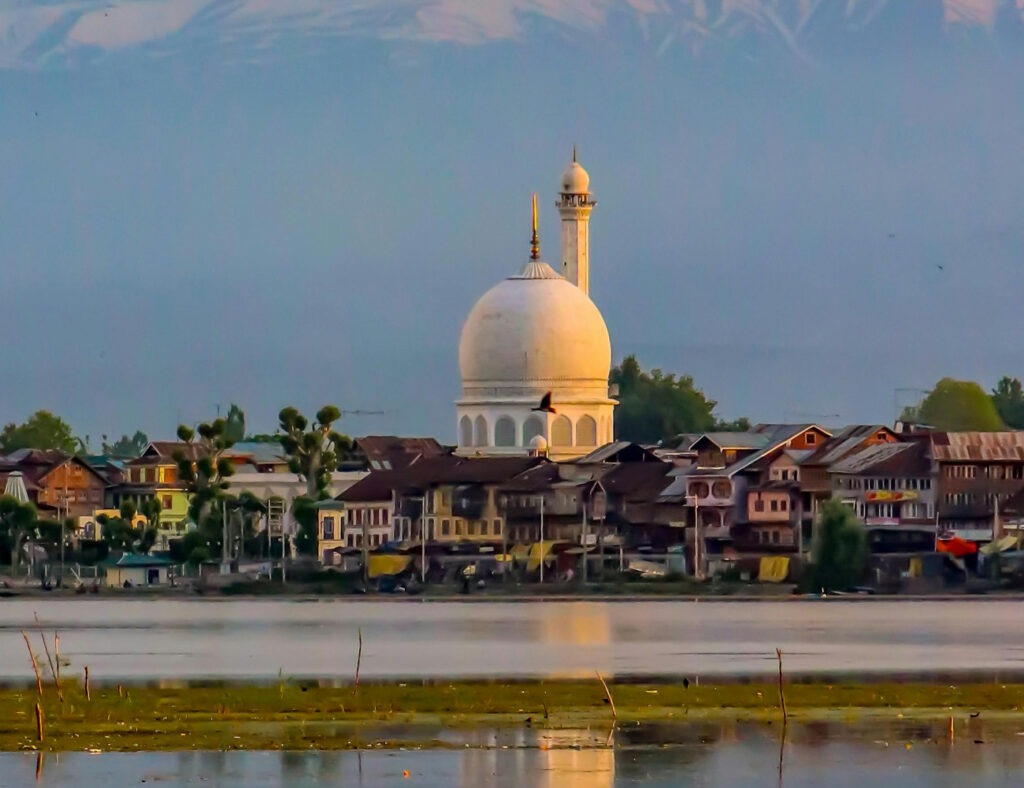
No exploration of Kashmir's Sufi heritage is complete without visiting its legendary dargahs. Start with the Dargah of Sheikh Noor-ud-din Noorani in Charar-e-Sharif, 35 kilometers from Srinagar. Nestled amid chinar trees, this shrine honors Nund Rishi (1377–1440), Kashmir's patron saint. A simple ascetic, he founded the Rishi order, advocating vegetarianism and environmental harmony—ideals echoed in his poetry: "Food will be your medicine." The dargah, rebuilt after a 1995 fire, hosts the annual urs (death anniversary) festival in October. Pilgrims flock here for zikr (remembrance of God) sessions, where qawwalis fill the air with rhythmic claps and soulful melodies. The energy is electric—devotees sway in trance, offering chaddars (embroidered sheets) and praying for miracles.A short drive away lies the Dargah of Baba Bam-ud-din in Beerwah, drawing crowds for its reputed healing powers. Legend says the saint cured the blind and lame, and today, supplicants tie threads on lattice windows as vows. For a more urban vibe, head to Srinagar's Dargah Hazratbal, on the shores of Dal Lake. Housing a relic believed to be Prophet Muhammad's hair (Moi-e-Muqqadas), it gleams white against the water. Fridays see massive congregations; the shab-e-barat night draws lakhs, illuminated by lamps and fireworks. Women, often sidelined elsewhere, participate freely, underscoring Sufism's inclusivity.
Venture deeper into the countryside for hidden gems. The Dargah of Syed Ali Hamadani in Zadibal honors the Persian missionary who arrived in 1371, introducing crafts like carpet-weaving alongside spirituality. His shrine buzzes with langar (communal feasts), where rich and poor share meals. Then there's Reshi Pir Dargah near Gulmarg, surrounded by meadows—a perfect summer retreat blending devotion with alpine hikes.
Rituals of Devotion: Music, Poetry, and Ecstasy
Devotion at Kashmiri dargahs transcends prayer; it's a symphony of senses. Enter any shrine, and you're enveloped by the scent of loban incense and rose attar. Qawwali performances, rooted in Amir Khusrau's traditions, form the heartbeat. Singers recount saintly miracles through kashidas (devotional songs), their voices rising in crescendo until listeners enter wajd—a state of spiritual intoxication. I've witnessed men and women, eyes closed, palms upturned, lost in rhythm.Poetry reigns supreme. Lal Ded's vakh (couplets) like "I searched for myself and got lost" adorn walls, inspiring reflection. During urs festivals, mushairas (poetry recitals) blend Sufi verses with folk tunes. Offerings vary: kheer (rice pudding), dry fruits, or coins tossed into hundi boxes fund charity. Many tie green threads for wishes—untying them signals fulfillment. These rituals embody fana (annihilation of ego), where the devotee merges with the divine.Sufi music's allure peaks at night mehfil-e-sama* gatherings. Instruments like the santoor, rubab, and chimta create haunting melodies, echoing the valley's rivers. UNESCO recognizes this as intangible heritage, preserving it amid modernization. Sufism's Enduring Legacy in Modern Sufi heritage endures despite conflict. Dargahs have been neutral sanctuaries, hosting interfaith prayers even during unrest. Post-1990 militancy, shrines like Hazratbal mediated peace talks. Today, they combat radicalism; imams preach tolerance, drawing youth to zikr circles over extremism.Culturally, Sufism shapes Kashmiri identity. Pashmina shawls, papier-mâché, and walnut woodcraft trace to saintly influences. Festivals like tethers (shrine anniversaries) boost tourism, with homestays near dargahs offering authentic experiences.Yet challenges loom: commercialization dilutes sanctity, while climate change threatens alpine shrines. Preservation efforts, like the Sufi Heritage Circuit by Jammu & Kashmir Tourism, promote sustainable visits.
A Call to Pilgrims: Visit with an Open Heart
Kashmir's dargahs invite you to slow down, shedding worldly burdens. Whether you're a seeker, history buff, or traveler, they offer solace. Travel tips: Visit in spring (April–June) or autumn for mild weather; respect customs by covering head and shoulders; hire local guides for untold lore. Stay in Srinagar houseboats, then road-trip to interiors—security has improved, making it safer.In these hallowed spaces, Sufism whispers: Love is the path, devotion the journey. As Rumi said (via Kashmiri echoes), "Beyond ideas of wrongdoing and rightdoing, there is a field. I'll meet you there." Kashmir's dargahs are that field—timeless, transcendent.