
Wildlife tourism allows travellers to experience animals in their natural habitats while connecting with the wonders of nature. Yet, with this privilege comes great responsibility. As more people seek encounters with wildlife, it becomes essential to ensure that these experiences are ethical and sustainable. Responsible wildlife tourism respects the well-being of animals, avoids disturbance or harm, and supports conservation efforts that protect vulnerable species and ecosystems. It also benefits local communities by creating income and awareness without exploiting wildlife.
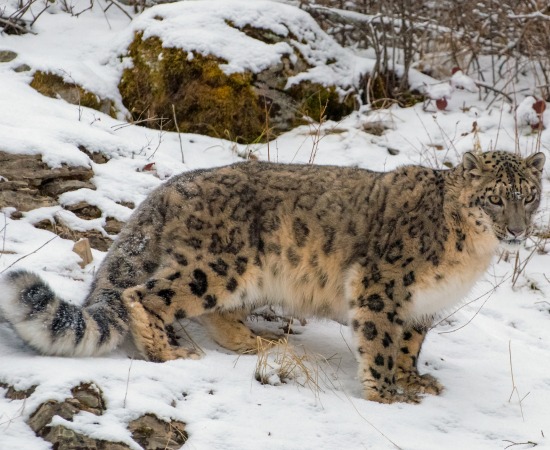
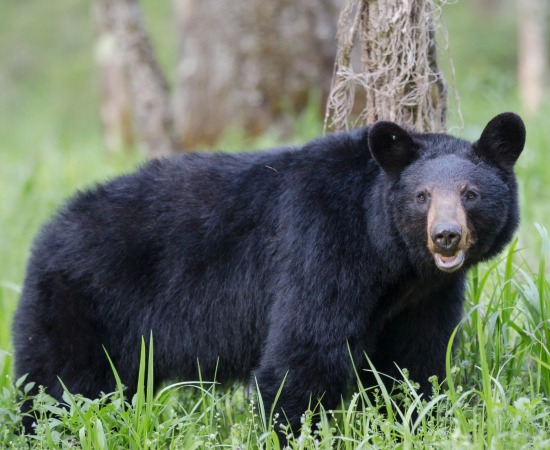
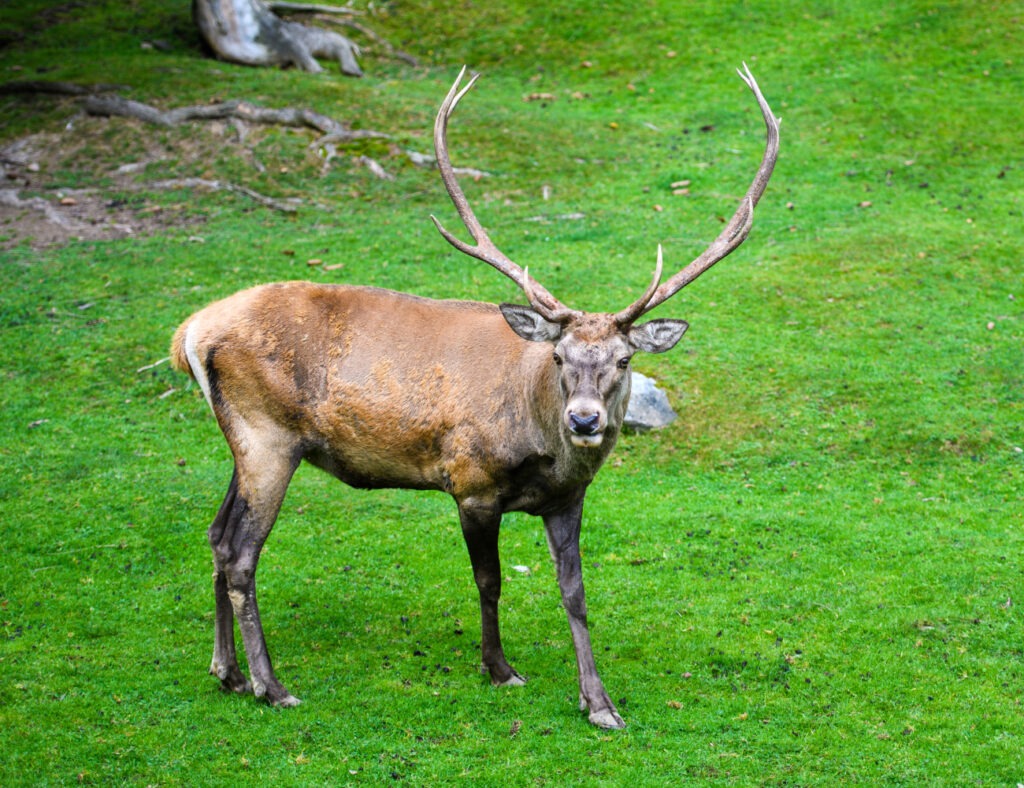
Kashmir’s rich biodiversity includes rare and beautiful species like the Hangul deer, Himalayan black bear, and a variety of birds. Visitors on a kashmir tour package or kashmir holiday package through Tripping Heights have unique opportunities to observe wildlife ethically, guided by experts who prioritise animal welfare and habitat preservation. This blog explores responsible wildlife tourism practices around the world, how travellers can engage ethically, and why these approaches are vital for protecting our planet’s precious wildlife.
Responsible wildlife tourism begins with understanding animals’ needs and behaviour. Observing from a safe distance, avoiding loud noises, and not feeding wild animals are simple but crucial rules. These actions prevent stress and changes in natural behaviour, allowing species to thrive undisturbed. Approaching animals too closely or attempting to touch them can cause unexpected reactions and even danger for both humans and animals.
Ethical tours educate guests on appropriate behaviour to minimise impact.Globally, protected areas and wildlife sanctuaries have established guidelines to manage visitor behaviour and habitat use. Many parks limit the number of visitors each day to reduce pressure on ecosystems. Some use permitting systems to monitor and control tourism flow, ensuring sustainable interaction levels. These measures help preserve fragile environments while still allowing meaningful wildlife encounters.Supporting local communities is a key facet of responsible wildlife tourism. When local people benefit from sustainable tourism through employment or small businesses, they become active conservation partners.
This creates incentives to protect wildlife habitats instead of exploiting or destroying them. In places such as rural Kashmir, community-based tourism promotes appreciation for local species and traditional practices, often incorporating wildlife experiences as part of cultural visits.Choosing certified and reputable wildlife tour operators increases the chances of ethical encounters. Companies like Tripping Heights incorporate conservation goals into their itineraries, working closely with local guides and experts who know the landscape and animal behaviour. These guides help ensure tourists stay respectful and safe while maximising opportunities to see wildlife in its natural setting.
Transparent communication about tour practices and conservation actions informs travellers of their positive role. Sustainable infrastructure is also vital. Trails, viewing platforms, and lodges should be designed to cause minimal environmental disturbance, reducing habitat fragmentation and erosion. Facilities using renewable energy and waste management reduce pollution and help preserve the purity of natural areas. Many wildlife reserves now encourage eco-friendly accommodation and transportation options. Education widens the impact of wildlife tourism beyond individual trips. Visitors who learn about species threats, conservation challenges, and habitat importance become advocates who support wildlife protection after their return home.
Interpretation centres, talks by rangers, and interactive activities enrich the travel experience and encourage responsible behaviour. This knowledge exchange helps build global networks of caring travellers.In Kashmir, wildlife tourism includes visits to areas like Dachigam National Park, home to the critically endangered Hangul, or Wular Lake, an important wetland for migratory birds.
Tripping Heights offers wildlife focused packages that blend adventure and learning. Their guides explain the importance of each species, conservation efforts, and how to behave around wildlife. Travellers witness the beauty of Kashmir’s natural world while contributing to its preservation. Responsible wildlife tourism also involves ethical photography. Avoid using flash around animals, which can frighten or disorient them. Do not get too close for a perfect shot; instead, use zoom lenses and patience.
Capturing animals behaving naturally creates more meaningful images and helps raise awareness of their beauty and plight without intrusion. Sharing these photos with honest stories can inspire others to travel responsibly. Finally, responsible travellers assess their overall impact. This includes reducing single use plastics, properly disposing of waste, sticking to marked trails, and supporting conservation projects. Every choice, from the tour operator to the snacks packed, contributes to the health of wildlife and their homes.
Conclusion
Wildlife tourism, when done responsibly, is a powerful way to connect with nature while supporting the protection of vulnerable species and habitats. Ethical encounters respect animals’ space, support local communities, and promote conservation. This approach ensures that wildlife tourism remains sustainable, enjoyable, and beneficial for both travellers and the natural world. Kashmir exemplifies the virtues of responsible wildlife travel with its rare species and pristine environments. Tripping Heights offers carefully planned Kashmir tour packages and Kashmir holiday packages that prioritise ethical wildlife experiences. Their knowledgeable guides and commitment to conservation help travellers engage safely and respectfully, creating memories that also contribute to protecting Kashmir’s natural treasures.
As more travellers embrace responsible wildlife tourism, the future of wildlife and wild places becomes brighter. Adventure need not come at nature’s expense. Instead, it can inspire deeper respect and a shared mission to protect the planet’s living wonders. Trust Tripping Heights to lead you on journeys where every wildlife encounter is an ethical celebration of life on Earth.