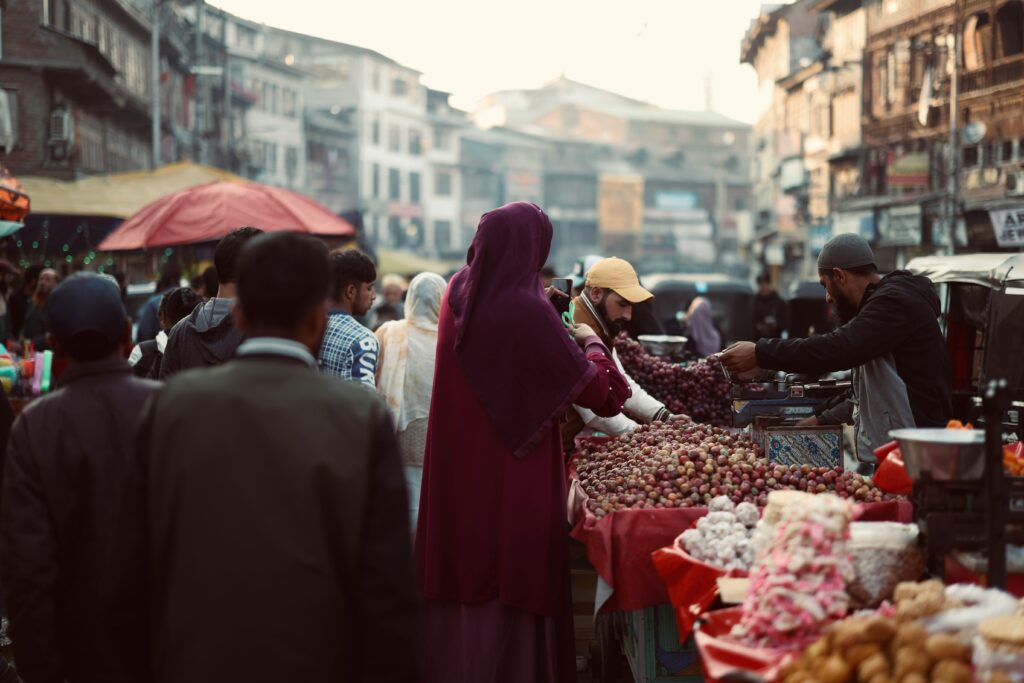
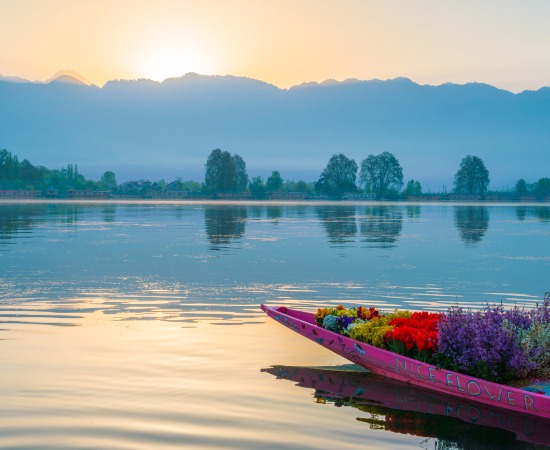
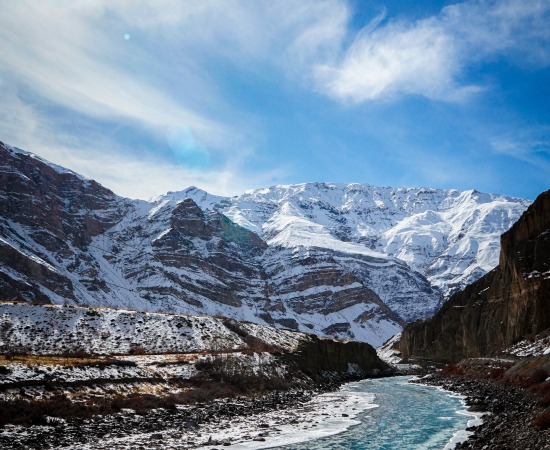
When one thinks of Kashmir, the mind often wanders to snow-capped peaks, Dal Lake, and the Chinar trees turning fiery red in autumn. But beyond the landscape lies a culture of immense warmth and hospitality, best exemplified in the Kashmiri wedding—locally known as the Khandar.
A Kashmiri wedding is not merely a union of two individuals; it is a grand, multi-day festival that involves the entire community. It is a spectacle of tradition, a riot of colors, and, perhaps most famously, a culinary journey unlike any other in the world.
The Prelude: Rituals and Traditions
The journey of a Kashmiri wedding begins long before the actual ceremony. It is steeped in rituals that have been passed down through generations, blending religious observance with cultural superstition and community bonding.The Kasamdrry and NishaynIt begins with the Kasamdrry, the formal commitment between families. Once the match is fixed, the Nishayn (engagement) follows, which is a relatively intimate affair involving the exchange of gifts, dry fruits, and gold. This sets the stage for the elaborate preparations to come.
The Maenziraat
As the wedding dates approach, the atmosphere in the house shifts. The Maenziraat (Mehendi night) is one of the most vibrant pre-wedding rituals. This is the night the bride’s hands and feet are adorned with intricate henna designs. But it is more than just body art; it is a musical extravaganza.Women gather in a circle, playing the Tumbaknari—a goblet-shaped earthen drum unique to Kashmir. They sing Wanvun, traditional folk songs that narrate stories of the bride’s beauty, the groom’s valor, and the blessings of the saints. The rhythmic beating of the Tumbaknari and the chorus of Wanvun create a sonic tapestry that is distinctly Kashmiri.
The Divgon
Before the main wedding day, the bride and groom (in their respective homes) undergo the Divgon. This is a ritual bath that marks the transition from singlehood to married life. In Kashmiri Pandit traditions, this is also when the Dejharoo—gold ornaments passed through the ear cartilage, symbolizing marriage—are sanctified. For Muslim brides, this day often involves spiritual blessings and the donning of traditional jewelry.
The Colors: Tilla, Velvet, and Gold
If you attend a Kashmiri wedding, you will be struck by the sheer opulence of the aesthetics. The color palette is deep and regal—maroons, emerald greens, deep purples, and vibrant oranges.The Pheran and Tilla Work, the centerpiece of Kashmiri wedding fashion is the Pheran. Unlike the casual wool pherans worn for warmth, the bridal pheran is a masterpiece of craftsmanship. It is usually made of velvet or high-quality silk and features Tilla work—traditional embroidery done using gold or silver threads.The Tilla embroidery is painstaking work, often taking artisans weeks or months to complete. The weight of the thread work adds a regal fall to the garment, making the bride look like a queen from a bygone era.
The Tarang and Kasaba
Headgear is essential. While modern trends have seen a shift toward lighter veils, traditional headgear remains culturally significant. The Kasaba (worn by Muslim women) and the Tarang (worn by Pandit women) are elaborate headpieces adorned with trinkets, gold pins, and embroidery, framing the face in a halo of tradition.
The Cuisine: The Royal Wazwan
While the rituals are soulful and the attire is stunning, the heart of a Kashmiri wedding beats in its kitchen. The Wazwan is not just a meal; it is an institution. It is a multi-course meal primarily based on meat, prepared by master chefs known as Wazas.The preparation of the Wazwan is a ritual in itself. The meat must be pounded, not ground, to achieve the right texture for the meatballs. Firewood is used to cook the dishes in large copper vessels called Degs, imparting a distinct smoky flavor.
The Tram Experience
Guests sit in groups of four on sheets spread over the floor. The meal is served on a large copper platter called a Tram. This act of sharing from a single plate reinforces brotherhood and equality.Before the meal begins, a portable washbasin, the Tash-t-Nari, is passed around for guests to wash their hands—a sign of the hygiene and etiquette embedded in the culture.
The Symphony of Dishes
The arrival of the Tram is a moment of anticipation. It usually comes piled high with rice and the first few courses:Tabak Maaz: Ribs of lamb simmered in saffron milk and then fried until crisp. The outer layer is crunchy, while the meat inside melts in your mouth.Seekh Kababs: Minced meat skewers that provide a spicy kick.Methi Maaz: A dish made with fenugreek and meat intestines, offering a unique textural contrast.As the meal progresses, the Waza enters the room to serve the "wet" dishes directly from the pots:Rista: Spongy meatballs cooked in a fiery red gravy derived from cockscomb flower extract (Mawal).Rogan Josh: The world-famous aromatic lamb curry, rich with Kashmiri chilies and spices.Daniwal Korma: A mutton curry rich in coriander.The Grand Finale: Gushtaba.
The meal concludes with the Gushtaba. Known as the "King of Dishes," this is a large, velvet-textured meatball cooked in a savory white yogurt gravy. It signifies the end of the meal. In Kashmiri culture, it is said that if you refuse the Gushtaba, you insult the host—though, after 20+ courses, finding room for it is a feat of endurance!
The Departure: Ruksati and Welcoming
The wedding culminates in the Ruksati, the bride's emotional farewell from her parental home. She leaves for the groom's house, often carried in a palanquin or a decorated car, accompanied by the tearful yet hopeful singing of her female relatives.Upon arrival at the groom's house, the couple is welcomed with immense joy. In many traditions, a goat is sacrificed (Zibah) as a gesture of gratitude and charity. The groom’s mother often welcomes the bride by feeding her candy or milk, sweetening the start of her new journey.
A Timeless Celebration
A Kashmiri wedding is a sensory overload in the best possible way. It is the smell of burning saffron and firewood, the sound of the Tumbaknari and soulful Wanvun, the sight of shimmering gold Tilla work, and the taste of the saffron-infused Wazwan.In a world that is rapidly modernizing, the Khandar remains a fortress of tradition. It is a reminder that in the Kashmir Valley, hospitality is not just a practice; it is a religion, and a wedding is the ultimate act of worship at that altar of togetherness.